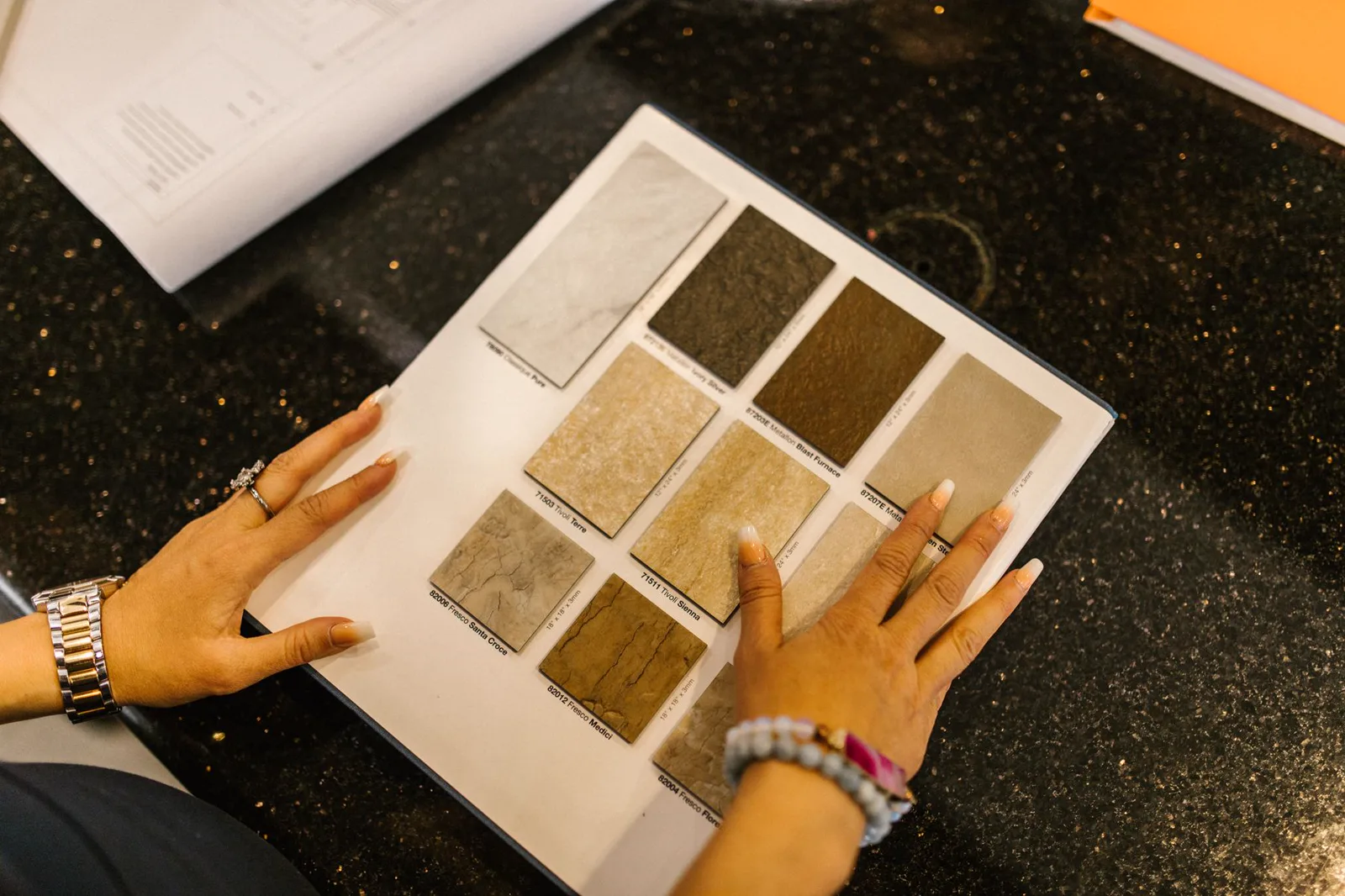
Give the sample a purpose
State what decision the sample needs to support: appearance, basic function, dimensions, material feel, packaging direction, or a requested modification.
- Identify the sample version and supplier.
- List visible review points.
- Record changes with annotated photos.
- Confirm the recipient and dispatch details.
Distinguish sample stages
A standard off-the-shelf sample can demonstrate general capability but may not include the buyer's material, colour, packaging, or modifications. A customized development sample addresses selected changes. A pre-production sample is intended to represent the approved manufacturing direction more closely. Name the stage clearly so observations are not applied beyond what the sample can show.
Assign every sample a supplier, model, version, date, and photo reference. Keep the requested specification and change list beside it. If a sample is modified by hand, assembled from substitute parts, or made with temporary tooling, record that limitation before the buyer approves the next step.
Use a review matrix
| Area | Possible review | Separate specialist need |
|---|---|---|
| Appearance | Colour, finish, visible workmanship | Colour measurement or defined defect standard |
| Dimensions | Basic comparison to stated size | Calibrated measurement plan and tolerance report |
| Function | Agreed basic demonstration | Performance, endurance, or safety testing |
| Packaging | Contents, print, labels, protection | Transit testing or regulated label review |
| Documents | Presence and visible model references | Legal or technical validity assessment |
Record packaging as its own approval
Product approval does not automatically approve packaging. Review the retail package, product label, barcode, warning language, instructions, accessories, inserts, seals, inner pack, quantity per carton, carton strength, markings, and any marketplace or destination instructions. Artwork should have one current proof and a named approval owner.
Photographs should include context, all sides, close details, and a scale or identifier when relevant. Video should show the requested sequence rather than a general promotional clip. Files should be labeled so the buyer knows which supplier, version, and review point they represent.
State exactly what was observed. Avoid converting a photograph into a claim about materials, compliance, or future production consistency.
Decide what happens after review
YIMO can coordinate sample status, visible records, buyer comments, change lists, and dispatch. Sample cost, modification limits, courier restrictions, testing, and production representation remain subject to the agreed project and supplier confirmation.
- Approve the specific version for the next defined stage.
- Request a numbered change and a new proof or sample.
- Arrange specialist testing, certification review, or formal inspection.
- Compare another supplier against the same review matrix.
- Stop the option and record the reason so it is not reopened accidentally.
Design a useful photo and video record
Before recording, list the questions the buyer must answer. Begin with the sample identifier and a full view, then capture each side, important dimensions, interfaces, accessories, labels, packaging, and requested detail. Use stable lighting and include a scale or reference where useful. If a function is demonstrated, show the starting condition, complete action, and result in one understandable sequence.
Avoid selective framing that hides context. A close-up of a label should be accompanied by a wider view showing which product or package it belongs to. When several samples look similar, place a visible identifier in the scene. Note anything that cannot be shown through photographs or video, such as material composition, endurance, internal construction, or regulated performance.
- Identify supplier, model, version, and date at the beginning.
- Capture complete contents before and after unpacking when relevant.
- Use annotations to connect buyer comments to exact locations.
- Keep original files and a concise buyer-facing summary.
Carry sample decisions into production
An approved sample should connect to a written specification, change list, packaging proof, and any agreed exceptions. Record whether the physical sample is the master reference, who holds it, and which characteristics require measurable production criteria. If colour, finish, or workmanship is judged visually, define the viewing conditions and acceptable range where practical.
Before production release, confirm that the supplier understands which sample features are approved and which were temporary. Tooling, materials, printing, accessories, and components used for mass production may differ from development samples. Where the risk justifies it, add pre-production confirmation, in-process checks, testing, or a pre-shipment inspection rather than relying on the original sample alone.
Check packaging separately
- Language, warnings, barcode, model, and visible claims.
- Accessories, manuals, inserts, and quantity per package.
- Master-carton markings and protective materials.
- Sales-channel or destination-specific instructions.
Know the limit of visual evidence
A useful record includes context, close details, and a note explaining what the buyer should review. Photos, videos, and informal checks do not replace laboratory testing, regulated certification, or a formally defined inspection.
Record what was observed without turning a visual impression into an unsupported guarantee.
Official references
European CommissionTechnical barriers, standards, and conformity assessmentLast reviewed by YIMO Global on August 29, 2026.
General information only. Requirements must be confirmed for the actual product, shipment, destination, current rules, and buyer responsibility.
Related YIMO service